
Manténgase sano!
- Posted June 5, 2026
Dengue Is No Longer Just A Travel Risk — What Google’s Mosquito Plan Could Mean For Your Summer
This is not science fiction or some perverse prank.
A Silicon Valley tech giant is seeking federal approval to release up to 64 million sterilized male mosquitoes in California and Florida over the next two years.
The aim?
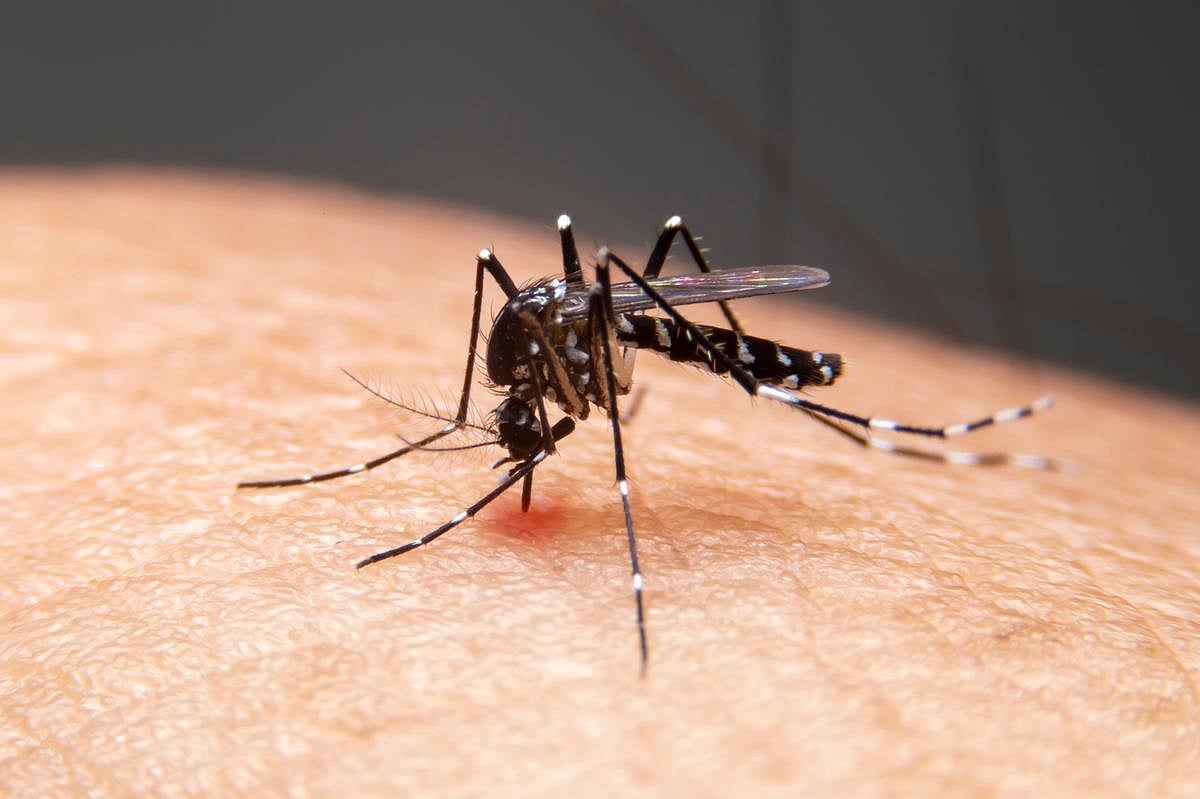
To drive down the population of Aedes aegypti mosquitoes, which transmit infectious dengue fever, as well as potentially serious diseases like Zika, chikungunya and yellow fever.
Since 2013, the flying pests, which are native to Africa, have infiltrated nearly half of California’s counties, according to the Los Angeles Times.
Eighteen cases of dengue were reported in the state in 2024, most in LA County.
More than 18 million Californians live in an area where conditions may be suitable for its transmission, according to a study published last week in The Lancet Regional Health - Americas.
"Under moderate scenarios of climate warming and urban expansion, an additional 4.1 million residents may be at risk by mid-century," said lead author Lisa Couper, a postdoc in Environmental Health Sciences at the University of California, Berkeley.
That’s where Google comes in.
It is seeking approval from the U.S. Environmental Protection Agency (EPA) for a project called Debug, according to a notice in the Federal Register. Think of it as an attempt to fight fire with fire.
Male mosquitoes will be infected with a bacteria called Wolbachia to render them sterile, and then they’ll be released into the wild over two years for mating, the LA Times reported. (Rest assured, male mosquitoes don’t bite.)
The female mosquitoes they've mated with will lay eggs that won’t hatch — effectively reducing numbers of the disease-carrying mosquitoes over time.
Vector control districts for Los Angeles, Orange and San Bernardino counties have sterilized male mosquitoes in other ways and released them in recent years with promising results, the Times reported.
Two neighborhoods saw an 80% reduction in the female Aedes aegypti population in 2024 and 2025, the paper said.
But scaling these operations is costly. And business owners signaled last year that they were unwilling to pay more to expand them.
Enter Google.
The company has applied for a permit to carry out the releases in California and Florida. The EPA is seeking public comments before granting approval.
While the process that it is testing to isolate male mosquitoes is a manual and time-consuming one, Google says it’s “developing new technologies that combine sensors, algorithms and novel engineering to take advantage of unique aspects of mosquito biology to quickly and accurately sort males from females.”
Scientists and engineers at the company are also reportedly creating sensors, traps and software to guide the areas that need to be treated or re-treated.
“I’m pretty much in favor of whichever [sterile insect technique] approach gets us the disease prevention and nuisance control we need and at the lowest price," Susanne Kluh, general manager of the Greater L.A. County Vector Control District, said.
More information
The Mayo Clinic has more on dengue fever.
SOURCE: Los Angeles Times, June 4, 2026


